
Most viewed articles
GLT_E1_Pastoral Care_2
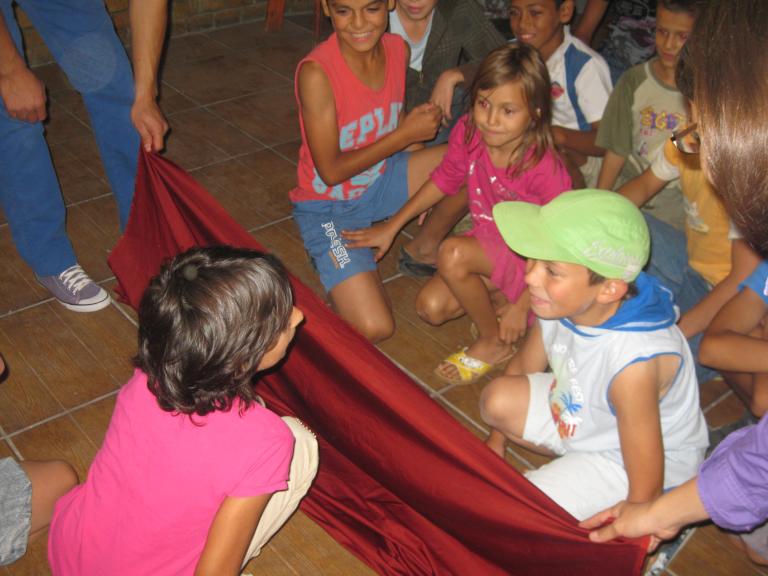
Materials: a blanket/tarpaulin/piece of fabric
Participants are divided into 2 teams (5–20 children). Before that, everyone goes around introducing themselves, once or twice.
Two leaders stand between the two teams, holding the blanket up so that the two teams cannot see each other. The rule is that, one at a time, the teams designate a representative to stand in front of or behind the blanket. After counting to 3, the leaders lower the blanket so the two can see each other. The first one to say the other’s name wins, and the loser switches to the opposing team. After a few rounds, the blanket is lowered without warning. The team with the most children at the end wins.

A relatively large amount of money can be saved in certain areas with little effort at Jungschar camps. This article is a collection of tips on how to keep the financial expenditure as small as possible
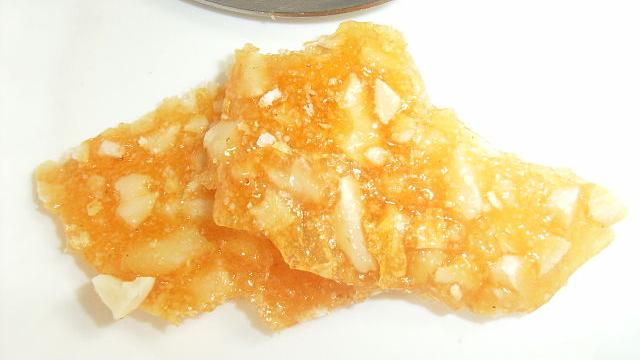
Brittle is a sweet that is essentially caramelized sugar and almond flakes.

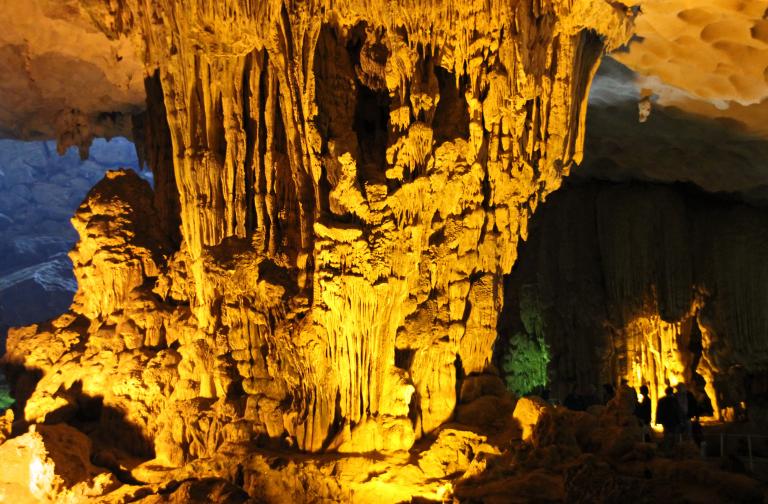
Visiting a cave is an exciting adventure for young and old. Natural wonders can be marvelled at, which can only be found in a cave.
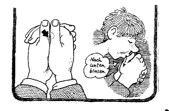
Can you "experience" the Narue with seeing, hearing, smelling? How does one do that?
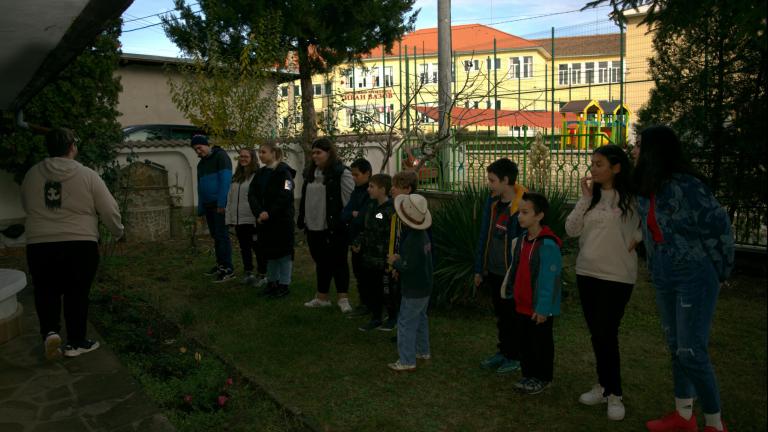
This season, we will look at the story of William Tyndale, who translated the Bible from Hebrew into English. Through this story, we will be able to show the children the importance of the Word and that we should be thankful to have it in a language that is accessible to us. We will experience different things that are part of the story.
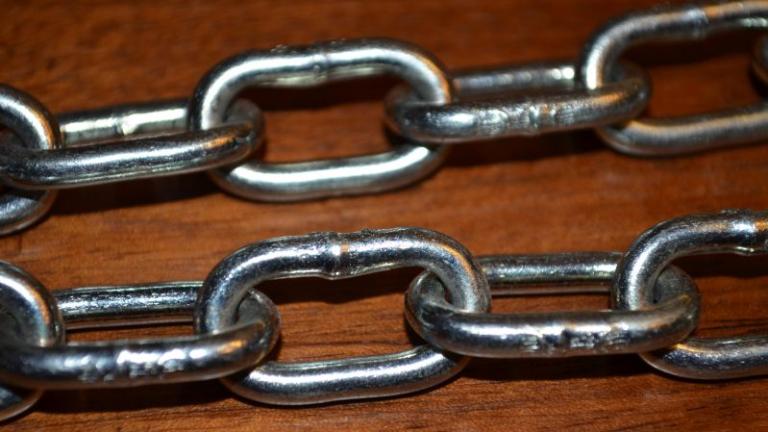
Chain trapping is similar to pair trapping, with the difference that you don't separate.
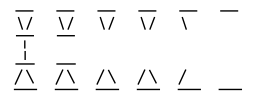
This game is about building in canon. The imagination must not be missing.
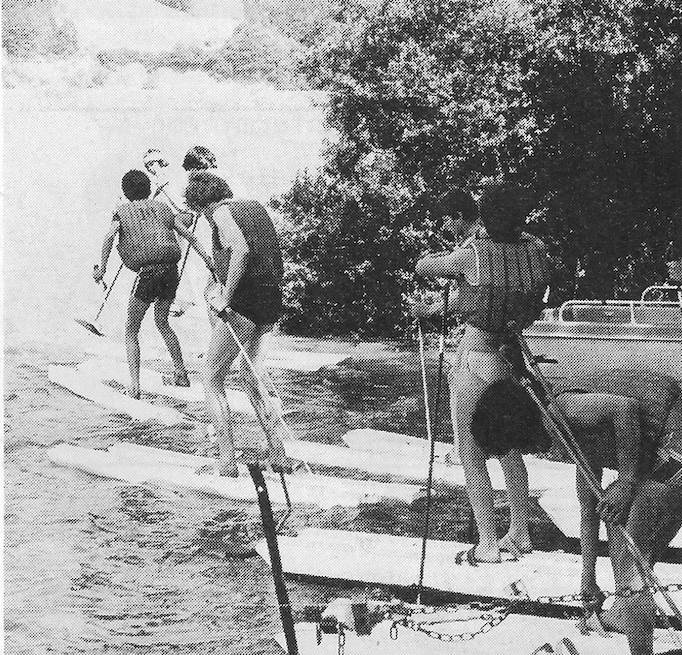
Enterprises are larger games and sporting events in camp, such as:
- Olympiads
- Games tournaments
- Major competitions
- Games festivals
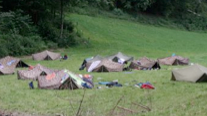
Tent camp on the outskirts of the village on the theme of Hollywood
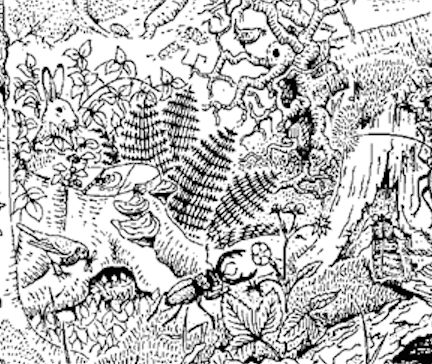
In the forest, there are various rules to follow
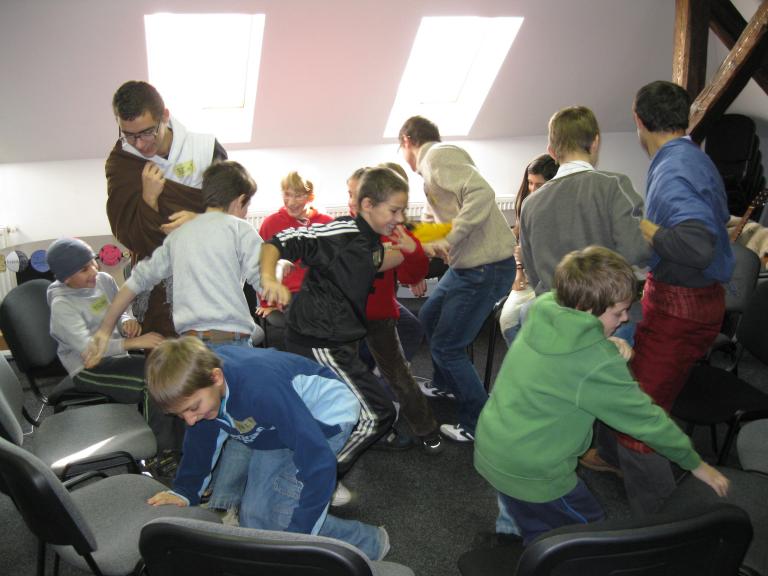
Materials needed: as many chairs as there are participants, minus one
The participants sit in their chairs. A volunteer stands in the center and states an idea: “I’ve never broken a leg.” Everyone who has broken a leg stands up and switches seats. The person in the middle tries to find a seat. Those who stand up from their chairs are not allowed to take the seat next to them.
TIP: The statements must be true for the person saying them. The ideas should be creative and apply to as many people as possible (e.g., “I’ve never skipped school,” “I’ve never gotten a 4 in Romanian,” etc.).
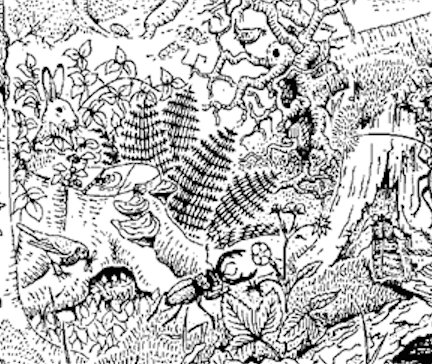
- What the children notice should be made an issue
- Stress in the forest is not a daily goal
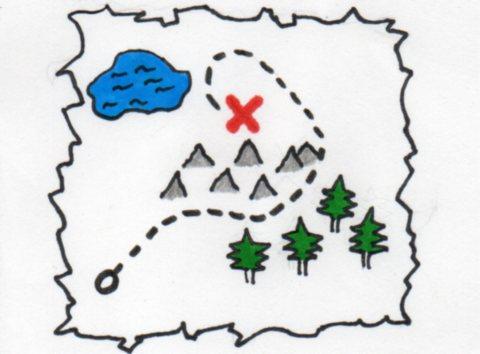
This unique game of hide-and-seek requires not only speed but also good spatial awareness.
After a campaign or at the end of the day, you can use a questionnaire to find out how satisfied your participants are and how they took part.
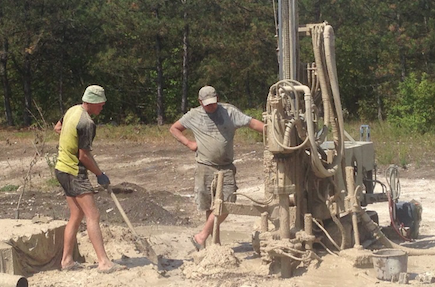
Sustainability in connection with faith