
Most viewed articles
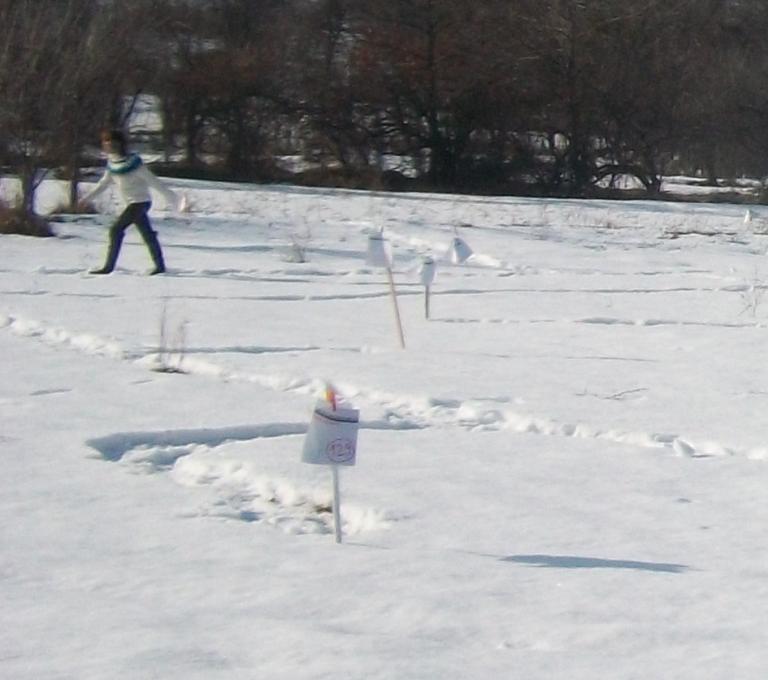
to search for checkpoints in a maze in the snow
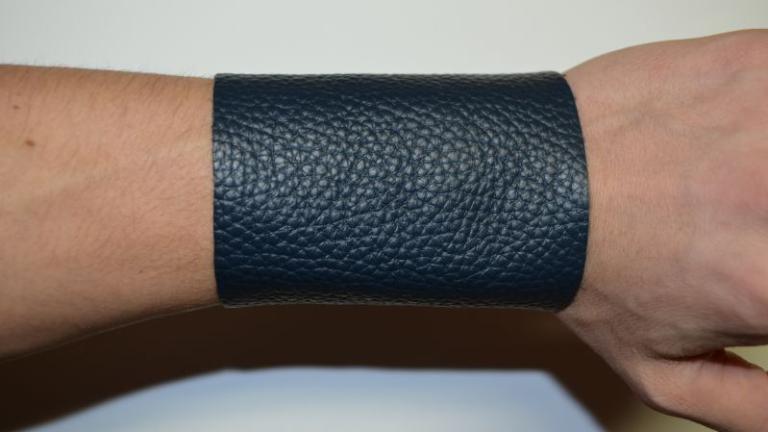
How to make cuffs that match the Roman cladding.
Participants are divided into two teams.
A playing area is marked out (in a forest, park, or any other outdoor space with trees); two bases are set up, one for each team (these are the starting points: A1, B1).
At the start of the game, each player receives a stone and sticks (5 players – 15 sticks); they divide the sticks among themselves according to their strategy. Each team has players and a “useless” player, who will either throw the stone they received along the way or carry it to the final base. There, after delivering 3 stones, he will be rewarded with a sweet treat. His stones are placed separately at the final base and are not counted toward the team’s score.
Each team’s task is to take a stone (the “talent”) from their base and carry it diagonally across the field to the second base (A2, B2).
Duels take place in the common area between the four bases when two teammates from opposing teams meet. If they do not have stones, they do not duel.
If a player wins, they move forward; if they lose, they return to their base to pick up a stone. Players must reach points A2 and B2 with a maximum of 5 stones at a time.
The duel: takes place using sticks; depending on how many sticks a player has, they either win or lose.
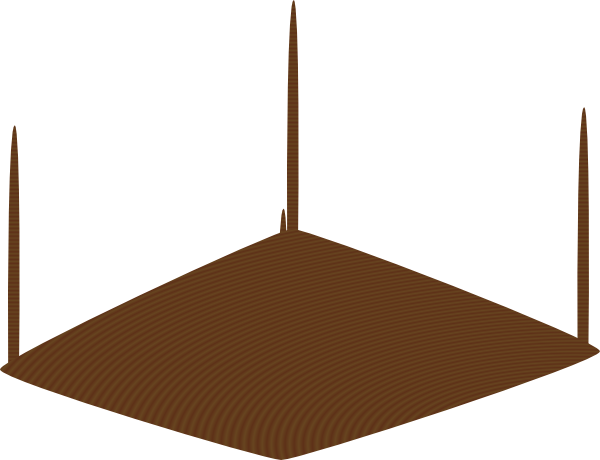
Materials needed: a table (coffee table; standard), bowls (at least one or more identical ones), or circles.
Turn a table upside down; participants divide into two teams, which line up next to each other.
Mark off a throwing distance; each participant takes turns throwing the bowl or ring once to hit one of the table’s first two legs. If the throw is successful, one additional throw may be allowed. If the pot/hoop hits one of the last two legs of the table, the point is awarded to the opposing team. After 10 or more throws, the game ends and the winner is declared.
Photo source: http://bestclipartblog.com/28-table-clip-art.html/table-clip-art-2
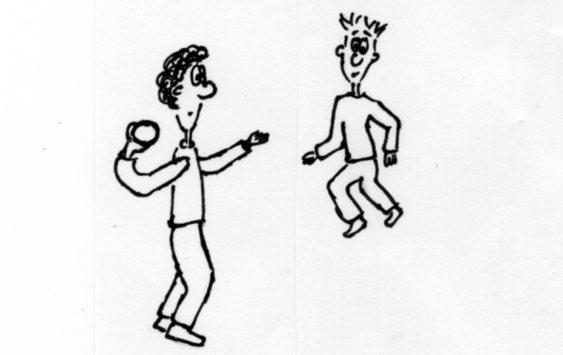
This game can wear out even the most energetic kids.
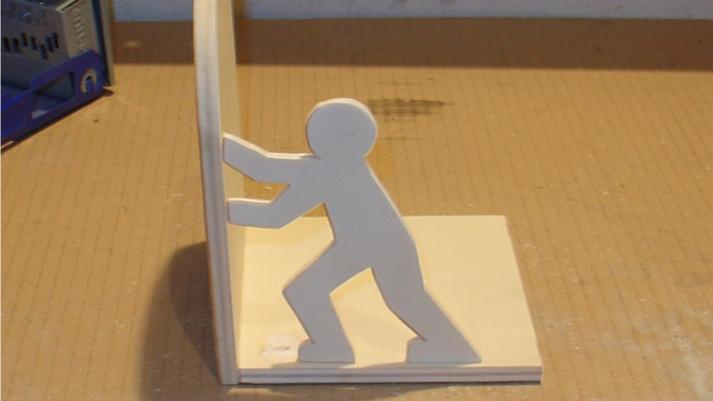
This book holder is guaranteed to catch the eye and is also very practical and inexpensive, because it prevents the books from falling over.
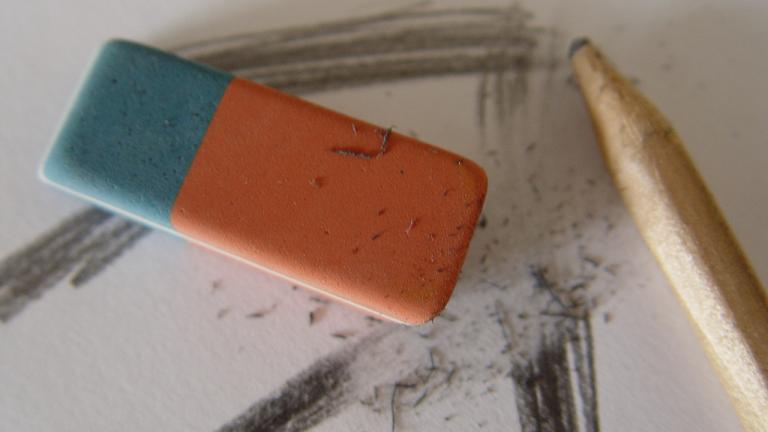
Since I needed a stamp with the words "amen" quickly, I decided to make one myself. I may not be an expert in gouging and stamp making, but since I needed one quickly, I decided to give it a try.
Making your own stamp is easy, fun and the result is unique. Sometimes you get surprised when stamping because you might have envisioned a different result. But that also makes it adventurous. What part do you cut away? What part don't you...?
Who doesn't like to smell fresh? Here are some easy ways to make perfume, soap, or bath salts.

Disciplined behaviour is extremely important in a Jungschar. Only in this way is it possible to run programs in such a way that they are fun for (almost) everyone. And only this way it is possible to do activities with a little higher risk with the children. In these situations we have to be able to rely on them.
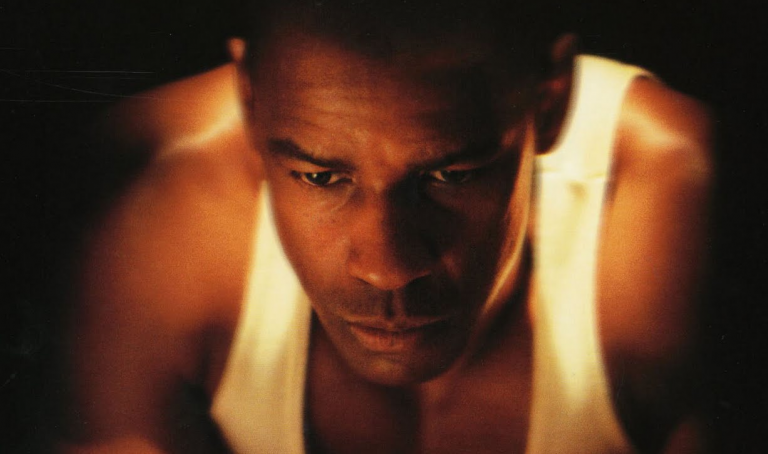
An input on the 9th commandment, "Thou shalt not bear false witness against thy neighbor." Three different movie scenes from "The Hurricane" with Denzel Washington are shown and a parallel is drawn to the similar case of Jesus. The focus will be on the false testimony and what it caused. The participants should become aware of the effects a false statement can have and they should be sensitized for this topic
In our youth group we first played a game in which one of the youth was wrongly accused of throwing a stone at a leader during an integrated water fight. A whole trial was staged with judge, jury, prosecutor, false witnesses, with some of the participants being part of the jury. Much like the movie "Hurricane."
Of course, you should know the story and plot for input. Watching the movie beforehand can't hurt ;).
One comes home with a wealth of impressions from the team weekend.
How can the effect be more lasting?
1. Which point would you like to implement personally, for yourself, at home?
2. in "partnership" implementation goes better
(Following are excerpts, for complete article: see PDF file)

Goal of the week: to help teens get a long-term vision for living as a Christian in order to survive in a postmodern, de-Christianized environment
The team benefits from the strengths of each individual.

Quarter afternoon with various games at posts.
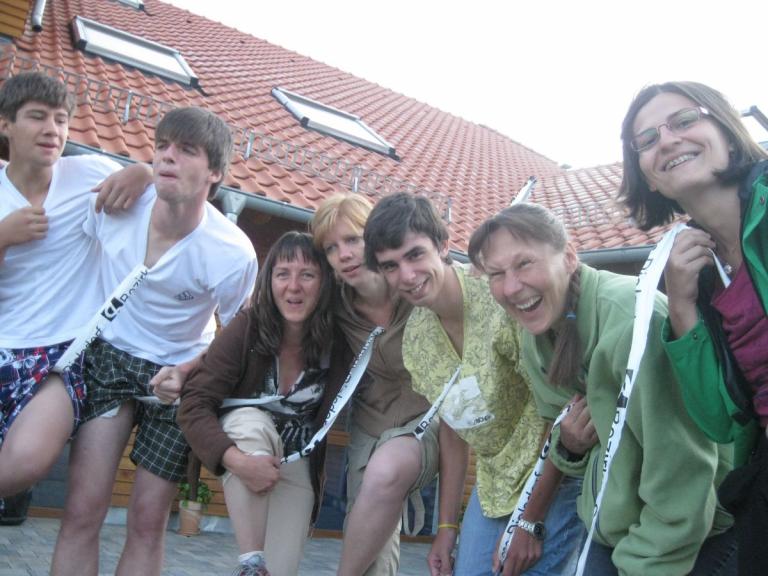
Materials needed: [one frozen spoon (placed in the freezer the night before), tied to a long piece of string or twine, depending on the number of participants (allow 1 m per person)] x number of teams
Participants are divided into 2 teams (between 4 and 12 members). Team members line up shoulder to shoulder in 2 parallel lines. The spoons with the ribbon or string wrapped around them are handed out to the teams. At the start, the task is to pass the “frozen” spoon under the clothes (shirt and pants) of all participants and back, then hand off the spoon with the ribbon or string wrapped around it exactly as they received it. All in record time. The team that finishes first wins.
An excellent icebreaker game.

Soon we meet for the joint departure to the "New World", as America is also called at this time. Are you prepared for adventure and western life? We are looking forward to our time together!
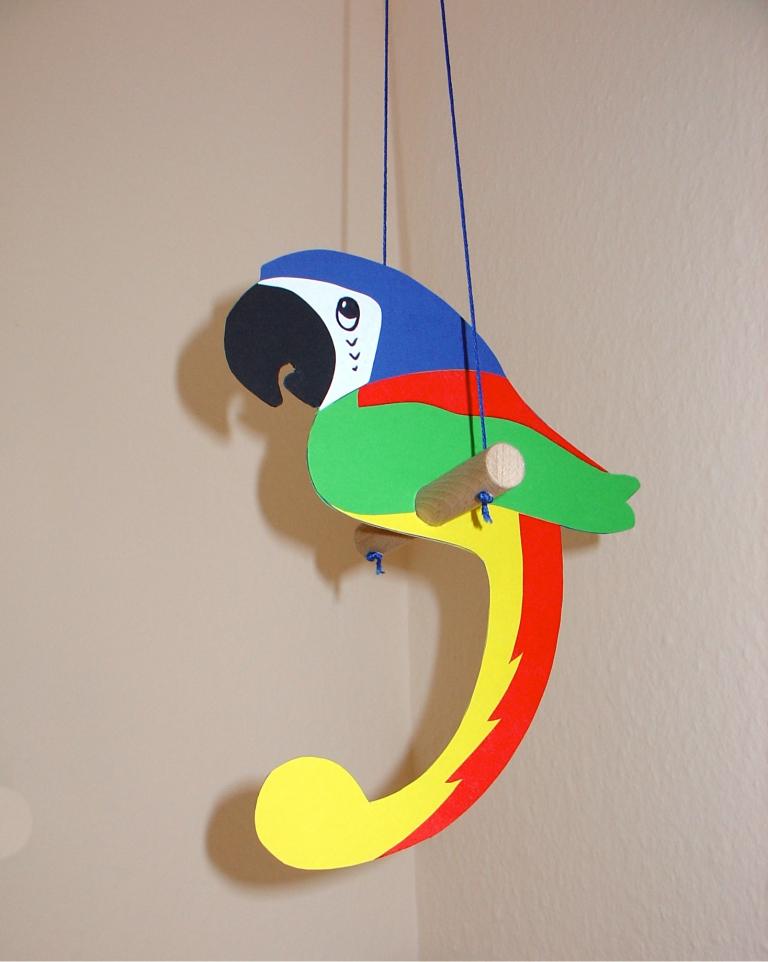
Steve the parrot is happy with every turn more, but before Steve can fly off he must be wound up once released he works like a big flywheel. Depending on the length of the thread and the thickness of the paper, it can even fly for quite a while