
Recently modified articles

Spiritual Plan for a Semester with 7 Devotionals on the Book of Esther:
God’s love is for Israel—but also for us—and that’s what the children should learn!

Thick Scottish oatmeal is a warm, easy-to-make, nutritious, and filling breakfast.
This recipe serves one person.

A simple song of praise in Swiss German.

A spiritual program for a semester consisting of 10 devotionals based on biblical stories about specific individuals.

Sweet chocolate milk—perfect for making, for example, after an exciting night spent camping outdoors.

A fun children's song for entertainment.
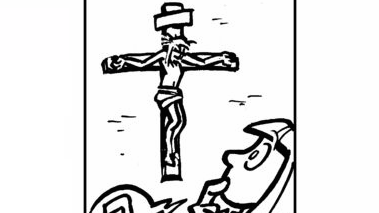
A spiritual program for a semester featuring 8 devotionals on the life and ministry of Jesus.
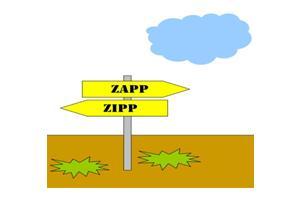
This is an icebreaker game designed to help participants learn each other's names in a new group in a fun way. But it's still fun even when the participants have known each other for a long time.

A spiritual guide for a semester featuring 8 devotionals based on the book *Aunt Olga's Windmill* by author Jennifer Rees
The book can be ordered and purchased at bookstores or through various websites, such as CLV.

Semester program featuring 7 devotionals on the life of Nehemiah the builder.
Can also be chosen as a camp theme or as a standalone game.

A spiritual program for a semester featuring 7 devotionals on the life of Jacob.
The Life of the Apostle Paul as the Quarterly Theme.

A semester-long program featuring 7 devotionals on "records" in the Bible.

A funny Swiss German song for your entertainment.
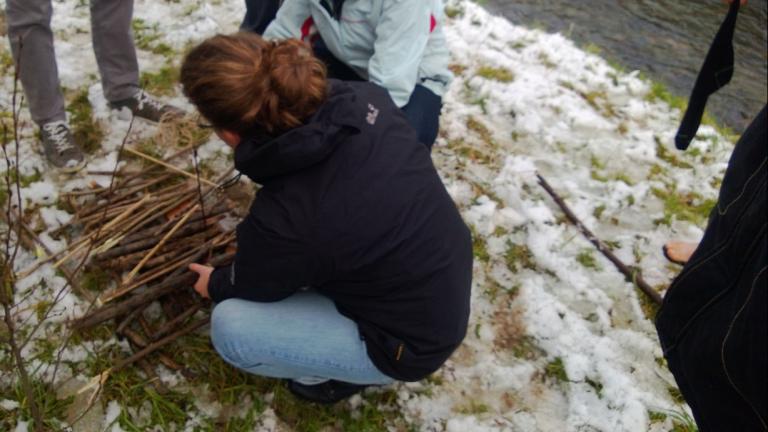
1 Camp Plan
1 Spiritual Concept
Play LONELY COWBOY
17 Program Blank
Photos, flyers, history
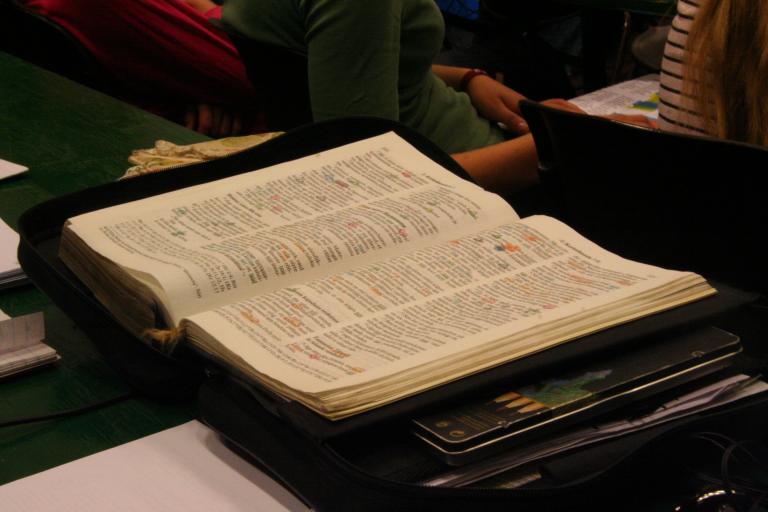
Introduction
I. Historical Background
II. Distinctive Features of the Book of Ruth
III. Time Period and Author

A semester-long program featuring activities on the theme "Our Switzerland" and 11 devotionals on the life of Jesus.

Participants are divided into two teams.
A playing area is marked out (in a forest, park, or any other outdoor space with trees); two bases are set up, one for each team (these are the starting points: A1, B1).
At the start of the game, each player receives a stone and sticks (5 players – 15 sticks); they divide the sticks among themselves according to their strategy. Each team has players and a “useless” player, who will either throw the stone they received along the way or carry it to the final base. There, after delivering 3 stones, he will be rewarded with a sweet treat. His stones are placed separately at the final base and are not counted toward the team’s score.
Each team’s task is to take a stone (the “talent”) from their base and carry it diagonally across the field to the second base (A2, B2).
Duels take place in the common area between the four bases when two teammates from opposing teams meet. If they do not have stones, they do not duel.
If a player wins, they move forward; if they lose, they return to their base to pick up a stone. Players must reach points A2 and B2 with a maximum of 5 stones at a time.
The duel: takes place using sticks; depending on how many sticks a player has, they either win or lose.