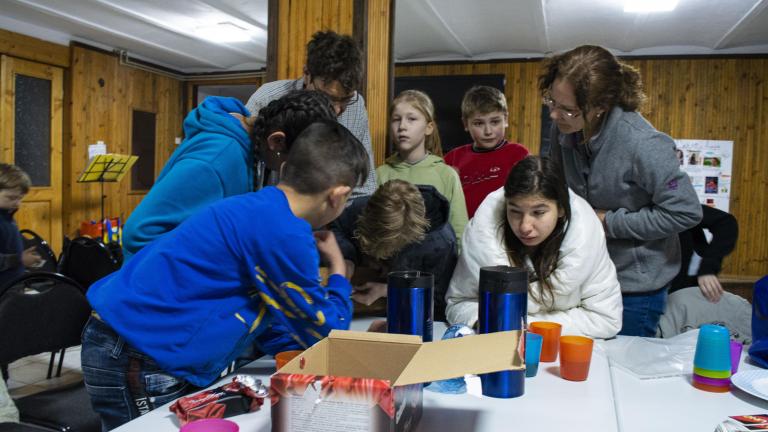
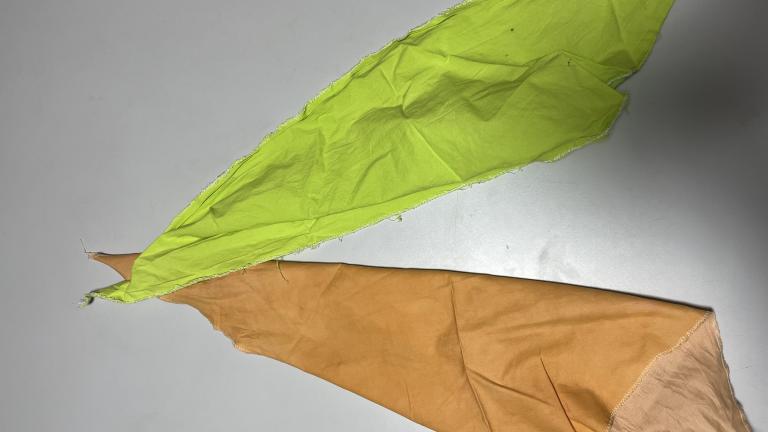
Slacklinien oder Slacken ist eine Trendsportart die sich aus der Kletterszene entwickelt hat. Ein leicht dehnbares Band wird wenig über dem Boden aufgespannt, um danach darüber zu balancieren.
Basics
A slackline is a fabric strap stretched just above the ground between two fixed points. You then balance on the strap, much like a tightrope walker. Since a slackline is made of slightly stretchy material, it moves constantly beneath the slackliner’s feet. This makes balancing much more dynamic than it would be on a solid surface. The slackline is usually stretched less than 70 cm above the ground, so the risk of injury is relatively low. (Caution is still advised, however.)
Basic Guidelines:
- Slacklining places high stresses on the material. Therefore, just as with climbing gear, care must be taken to handle it carefully and properly.
- Replace any damaged equipment.
- Use the slackline as described by the manufacturer.
- If trees are used as anchor points, the bark must be protected. For example, place a piece of carpet or a doormat between the tree and the sling.
- Always step onto the slackline with your feet facing the direction of the line. If your feet are positioned across the line, there is a high risk of falling onto the back of your head, making it nearly impossible to break your fall.
- In the middle, the line should be at least 10 cm above the ground when a person is standing on it.
Wikipedia has more information about slacklining in general.
Game and Application Ideas
- Set it up at a campsite as a “permanent attraction” that stays up the whole time
- Competition: Who can take the most steps? Who can stay on the slackline the longest?
- Fight the Line: Two people walk the slackline at the same time; whoever stays on longer wins (suitable only for experienced users).
How to Learn
When you first try walking on the slackline, your legs usually “wobble” quite a bit. The first goal is to be able to stand still on the slackline. The best way to start is to step onto the line and try not to walk at all at first, but just to balance as steadily as possible in one spot. To start, it’s best to step onto the line about 2 meters from the end. That’s where it’s easiest. If you stand with both feet on the line, the wobble is usually a little less noticeable. If you stand on it with just one foot, you have more options for shifting your weight and balancing. You should practice both, because walking is nothing more than standing on the line sometimes with one leg, sometimes with two (and moving your body in one direction in between :-).
After just half an hour of practice (and getting back up again and again), you’ll notice real progress!
Once you’ve got a handle on “standing in place” on one and two legs, you can start walking. It’s best to take small steps (one foot in front of the other) and keep readjusting your balance in between.
Progress comes relatively quickly with practice. First, you’ll manage to take 2 steps, then 3, then 4, and eventually you’ll walk the entire slackline without falling off.
Training for more than 30 minutes at a time usually doesn’t help much because your concentration wanes. It’s much more beneficial to practice repeatedly over several days in a row.
It can also be helpful to fix your gaze on a single point and feel your way along the slackline with your feet. It makes it easier to balance.
Slackline Photos


Photo credit
All images: Tobias Gafafer
- Anmelden oder Registrieren, um Kommentare verfassen zu können